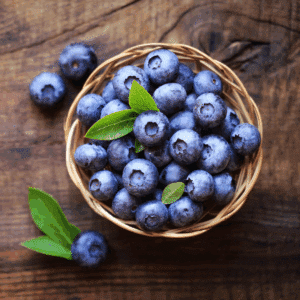
For years, our blueberries sulked. We’d plant, pamper, and hope… and still get yellow leaves, weak growth, and a handful of berries at best. This season we pulled the beds apart and started again from scratch—and something clicked. The big lightbulb moment? Our borehole water has a high iron load and alkalinity, and blueberries are absolute divas about water quality and pH. Rainwater turned out to be our berries’ love language, and everything else we changed finally made sense around that.
Here’s the honest breakdown of why blueberries often fail (including ours), what they actually need, and a practical plan for soil, fertilizing, and watering that works across South Africa.
Why Blueberries Fail
-
Soil pH too high. Blueberries need very acidic soil. If soil is above 5.5 pH, iron and other nutrients lock up; leaves yellow, growth stalls, and yields crash.
-
The wrong compost. Manure or mushroom composts are too rich in salts and raise pH—blueberries hate it.
-
Water problems. High bicarbonates and iron in borehole water creep pH upwards, stain fruit and leaves, and can clog drip lines.
-
Shallow roots. Blueberries have fine, shallow roots. They stress quickly if soil dries out or swings from dry to soggy.
What We Changed This Season
1) Rebuilt the bed with the right soil
We filled our bed with an acidic mix: coco peat + azalea potting soil, then mulched thickly with pine needles and bark. This gave the roots fluffy, acidic soil that holds moisture.
Tip: If your soil is naturally alkaline (common across much of SA), use raised beds or large containers with the right mix.
2) Stopped using borehole water
Our borehole water has high iron and alkalinity. For blueberries, this was slowly killing them. We now water only with rainwater from tanks, and the plants bounced back.
If borehole is your only option, test it and acidify the water to a pH of about 5.5 before watering blueberries.
3) Gave them steady water
Blueberries don’t like swings between wet and dry. They need steady moisture in the top 20–30 cm of soil. We water deeply a few times a week and keep a thick mulch layer to trap moisture and keep roots cool.
Soil Basics for Blueberries
- Target soil pH: 4.5–5.5.
- Build the mix: Coco peat + acidic potting soil (for azaleas, camellias, or hydrangeas). Add pine bark or needles.
- Mulch: A thick layer (10–15 cm) of pine needles, bark, or leaves. Top up yearly.
- Hands off roots: Blueberries hate root disturbance—pull weeds gently, don’t dig.
Fertilizer: Keep It Simple
Blueberries don’t need heavy feeding, just light and steady. Think “little and often.”
-
New plants: Wait 6 weeks after planting. Then, give a small handful of organic acid-loving fertilizer (like azalea food) around the base. Water in well.
-
Established plants: Feed twice a year—early spring (as leaves appear) and again mid-spring. Use a handful of fertilizer each time, sprinkled around the base (not against the stem).
-
Extra boost: If leaves look yellow between the veins, it’s usually the soil pH that’s too high, not lack of food. Fix the pH first before adding more fertilizer.
Watering: The “No-Drama” Plan
-
Best option: Rainwater.
-
If borehole: Test and treat before use. High iron and salts cause big problems for blueberries.
-
How much: About 25–75 mm of water a week (depending on region and weather).
-
How: Drip irrigation or a slow soak under mulch. Avoid overhead watering—it stains leaves and fruit.
-
Seasonal guide (for most of SA):
-
Spring (Aug–Oct): Water steadily as plants wake up and flower.
-
Summer (Nov–Jan): Peak demand—fruit is swelling, so don’t let the soil dry out.
-
Autumn (Feb–Apr): Ease off slowly as harvests finish.
-
Winter (May–Jul): Reduce, but never let soil dry completely.
-
Quick Rescue Checklist
- Test soil pH—keep it below 5.5.
- Switch to rainwater if possible.
- Mulch thickly to hold in moisture.
- Feed lightly twice a year with azalea-type fertilizer.
- Yellow leaves? Don’t just throw more fertilizer—check the pH first.
The Happy Ending
Once we rebuilt the bed, switched to rainwater, mulched deep, and kept fertilizer simple, the blueberries finally started to thrive. New growth came in green and strong, flowers set evenly, and we have fruit hanging—proper fruit!
Blueberries aren’t stubborn; they’re just picky. Give them their narrow comfort zone, and they’ll reward you with bowls of sweet berries.
View our latest video on our Blueberries here [1]
Happy Gardening
Tash & Family
Browse our collection of gardening guides—practical, South African-ready books designed to help you grow with confidence and enjoy real success in your veggie garden. Get your copy here [2]