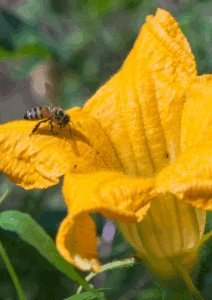
What Really Happens When You Plant the Same Veggies Together in One Bed
One of the most common questions I get from our VanZylStead community is: “If I plant two different varieties of the same veggie in one bed, will they cross-pollinate? Will my harvest turn out strange?”
Let’s dig in together, because the answer is both simple and fascinating!
This Season’s Harvest vs. Next Season’s Seeds
Here’s the big secret: for most vegetables, cross-pollination does not change the fruit you harvest this season.
Why? Because the flesh of your tomato, cucumber, or pumpkin is made up of the mother plant’s tissue. The pollen only affects the seeds inside.
So, if you plant a Roma tomato right next to a Brandywine, your Roma will still taste like a Roma, and your Brandywine will still taste like a Brandywine. BUT… if you save those seeds and plant them next season, you might get a funny hybrid surprise!
Exception alert: Sweet corn. Corn pollen can change the kernels right away. If your sweet corn gets pollinated by field corn or popcorn, you’ll end up with starchy or mixed cobs this season. That’s why seed producers keep different corn types far apart or stagger the planting so they don’t flower together.
Some Crops Keep to Themselves
A lot of veggies are self-pollinating, which means they mostly stick to their own flowers:
-
Tomatoes – almost always self-pollinate (but bees can sometimes stir things up).
-
Peppers – mostly selfers, with only the odd cross here and there.
-
Beans, peas, and lettuce – very reliable self-pollinators.
If you’re not saving seed, you can mix varieties of these freely in one bed.
The Social Butterflies of the Garden
Then we have the crops that love to mingle:
-
Squash & pumpkins (Cucurbita pepo and friends) – a zucchini will happily cross with a patty pan if they share the same species.
-
Cucumbers & melons – will cross within their species, but not across species (a cucumber won’t cross with a pumpkin).
-
Brassicas (cabbage, broccoli, kale, cauli) – if they’re the same species, they’ll cross readily.
-
Onions, leeks, carrots, beets & Swiss chard – strong out-crossers. If you want pure seed, you need space or special techniques.
For these plants, the fruit you eat this year is safe, but the seeds won’t grow true to type next season.
The Bigger Picture: Planting Health
Planting a lot of the same species together has its perks and its risks.
-
Perks: Bees and pollinators love a mass of flowers. You’ll get strong fruit set and often bigger harvests.
-
Risks: It’s basically a buffet for pests and diseases. If one tomato plant gets blight, it can quickly spread through the bed. That’s why we always talk about diversity and crop rotation here at VanZylStead.
So What Should You Do?
-
Not saving seed? Mix away! Your dinner plate will be safe, except for corn.
-
Saving seed? That’s when you need to think about distance, timing, or bagging flowers. (We’ll do a full seed-saving blog post soon for those of you who are ready to take that step.)
-
For garden health: Don’t plant the same family in the same spot year after year. Rotate every 3–4 years if you can, and mix crops in beds to confuse pests.
Our Take at VanZylStead
On our own plot, we often grow several varieties together because we eat everything fresh and don’t save all the seed. We’ve seen firsthand how planting a mix can give us abundant harvests and attract more pollinators. But when it comes to seed saving, we get intentional—spacing out squash, or hand-pollinating to keep varieties pure.
It’s all about balance: planting for abundance now, and planning carefully if you want to carry those genetics into the next season.
Members – we’ve created an exclusive printable guide just for you! Use this list to make sure cross-pollination doesn’t sneak into your garden when you’re saving seeds. Download your copy here [1]
Over to you: Do you save seed from your garden, or do you prefer buying fresh packets each season? I’d love to hear how you approach this in your garden—drop us a comment or send me a message!
At VanZylStead, we’ve created three eBooks to help you on your veggie gardening journey. If you’re ready to take your garden to the next level, consider becoming a member of our site. Members not only get discounts on all our eBooks, but also unlock access to a growing library of resources, guides, and exclusive content to support your garden season after season. Become a member here [2]
Let’s keep growing together!
Happy Gardening Friends