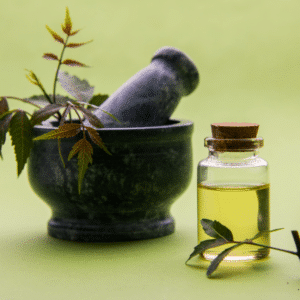
What is Neem Oil?
Neem oil is a natural pesticide extracted from the seeds of the neem tree (Azadirachta indica), which is native to India but grows in many parts of South Africa. We have all heard of it, and seen it in the local nurseries. When used correctly, it is widely used in organic gardening because it disrupts the life cycle of pests without harming beneficial insects like bees.
Neem oil is a natural pesticide and fungicide that protects plants by targeting pests and diseases in multiple ways.
- The primary active ingredient, Azadirachtin, disrupts insect growth by interfering with their hormones, preventing larvae from maturing into adults. This breaks the life cycle of pests like aphids, whiteflies, and caterpillars, reducing infestations over time.
- When insects consume neem-coated leaves, they lose their appetite and stop feeding, which helps protect plants from further damage. Neem oil also affects pest fertility, preventing them from laying eggs and leading to a gradual decline in their population.
- Beyond its effects on insect growth and reproduction, neem oil works as a contact pesticide by suffocating soft-bodied insects such as aphids, spider mites, and mealybugs. When sprayed directly, it coats their breathing pores, ultimately killing them.
- In addition to pest control, neem oil has powerful antifungal properties, preventing the germination of fungal spores that cause diseases like powdery mildew, rust, black spot, and root rot.
- When used as a soil drench, it can also help manage root pests like nematodes while promoting beneficial microbes that contribute to soil health.
This is one of the products I use the most in the garden when we have an infestation that I can’t get under control
It is important to note that Neem oil is not an instant pesticide, its effects start within a few hours (such as suffocating soft-bodied pests), while a noticeable decline in pest populations typically occurs within 3–7 days.
When we use it for long-term protection in the garden, we apply it every 7–14 days. As a safe and organic solution, neem oil is an excellent choice for maintaining a healthy vegetable garden without harming beneficial insects when used correctly.
Cold-pressed neem oil is the best choice because it retains the highest concentration of Azadirachtin, the key compound responsible for its powerful pest-repelling and antifungal properties. Unlike refined neem oil, which is processed using heat or chemicals that degrade its effectiveness, cold-pressed neem oil is extracted mechanically without high temperatures. This method preserves not only Azadirachtin but also other beneficial compounds like Nimbin and Nimbidin, which contribute to neem’s antibacterial and antifungal properties.
Using neem oil correctly means applying it in a way that maximizes its effectiveness against pests and diseases while minimizing harm to beneficial insects and plants. The key to proper use lies in dilution, timing, application method, and frequency
1. Dilution
Neem oil is highly concentrated and must be diluted before use. A common mixture for a foliar spray includes 1 teaspoon (5 ml) of neem oil, 1 teaspoon (5 ml) of mild liquid soap, and 1 liter of water. The soap helps emulsify the oil so it mixes well with water. Always shake the solution before spraying, as oil and water tend to separate.
2. Timing of Application
To avoid harming beneficial insects like bees, neem oil should be sprayed early in the morning or late in the afternoon when pollinators are less active. Spraying during midday under direct sunlight can cause leaf burn, as the oil can intensify the sun’s rays.
3. Application Method
Neem oil should be sprayed directly onto leaves, ensuring full coverage on both the top and underside where pests often hide. For infestations, it should also be applied to affected stems and soil if dealing with root pests. It’s important not to oversaturate plants, as excessive use may cause leaf damage.
4. Frequency of Use
For preventative maintenance, neem oil should be applied every 7–14 days to keep pests and fungal diseases under control. For active infestations, spraying every 3–5 days for about two weeks will help disrupt the pests’ life cycle and eliminate the problem.
5. Precautions
Before applying neem oil to an entire plant, it’s best to test a small section first and wait 24 hours to ensure the plant does not react negatively. Some sensitive plants, like young seedlings or delicate herbs, may not tolerate neem oil well. Also, neem oil should not be mixed with other strong pesticides, as this can increase stress on plants.
Which Pests Does Neem Oil Control?
Neem oil is effective against:
- Aphids
- Whiteflies
- Spider mites
- Caterpillars
- Thrips
- Powdery mildew & fungal diseases
Precautions When Using Neem Oil
⚠️ Do not spray during hot midday sun—it can damage leaves.
⚠️ Avoid spraying directly on pollinators like bees—apply when they are less active.
⚠️ Always test on a small section of plants before spraying the entire garden.
When I use Neem oil in the garden, I always prefer using products from BioGrow. We are truly fortunate to have companies dedicated to helping us to garden organically.
Happy Gardening Friends