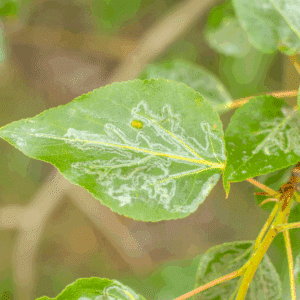
Every season seems to come with its own set of challenges in the veggie patch, and right now mine is leaf miner—showing up loud and proud on my cucumbers. At first glance, I noticed those strange pale, squiggly lines winding through the leaves, almost like someone had scribbled with a white pencil. That’s when I knew: leaf miners had moved in.
What Is a Leaf Miner?
A leaf miner isn’t one insect, but rather the name for the larvae of certain flies, moths, and beetles that burrow between the layers of a leaf. The adults lay their eggs on the underside of a leaf, and once the larvae hatch, they tunnel their way through the inside tissue. From the outside, it looks like winding tracks or blotches.
Why Are They Here?
Leaf miners are opportunists. They love soft, tender leaves—like cucumber, spinach, beetroot, and even tomatoes. Warm weather speeds up their life cycle, and in a thriving garden full of greenery, they see an all-you-can-eat buffet. In my case, the cucumbers are growing quickly, with lots of lush, new leaves, which is like sending out an open invitation to every miner in the area.
What Are They Doing to My Plants?
Those squiggly tunnels aren’t just ugly; they’re little highways of destruction. As the larvae eat through the leaf, they destroy the cells that the plant needs to make energy through photosynthesis. A few leaves damaged here and there won’t kill the plant, but a big infestation can weaken it, stunt growth, reduce flowering, and eventually cut back the harvest. On cucumbers, it’s especially frustrating because the plants are naturally heavy feeders and need all the green energy they can get.
How I’m Sorting This Out
- Remove Damaged Leaves
As soon as I spot the telltale squiggles, I snip off the worst-affected leaves and throw them in the bin (not the compost heap—otherwise I’m just raising more miners for next season). - Neem Oil Spray
A light neem oil spray on the undersides of leaves interrupts the life cycle, making it harder for the adults to lay eggs and stopping larvae in their tracks. - Diatomaceous Earth (DE)
A sprinkle of DE around the base of the plants helps deter adult flies that want to crawl and lay eggs. - Companion Planting
Planting flowers like marigolds or herbs like basil close by helps confuse and repel the adult flies, while attracting predators like parasitic wasps that naturally hunt leaf miners. - Healthy Plants = Resilient Plants
Cucumbers grow fast and bounce back quickly if kept strong. Regular watering (not letting them dry out and stress), feeding them with a balanced organic fertilizer, and mulching around their roots all give them the strength to outgrow minor damage.
The Lesson from This Season
Leaf miner might be small, but the damage is noticeable. It’s a reminder that pests don’t show up to punish us—they show up because our gardens are full of life. By paying attention, intervening early, and keeping plants strong, we can manage the damage without losing the crop.
For now, my cucumbers are holding their own. The new leaves are coming out clean and green, and with some steady care (and a little neem oil backup), I’m confident the plants will still reward us with plenty of crunchy cucumbers.
See our Video here on the damage and what we are doing [1]
Happy Gardening Friends
Tash & Family
As a VanZylStead member, you’ll receive our monthly digital magazine packed with seasonal gardening wisdom. Each issue dives into the pests most likely to attack that month, what to plant in your region, holistic living tips and advice, a fun ‘Fur Kids Corner,’ and so much more to keep your garden – and lifestyle – thriving year-round. Become a member here [2]