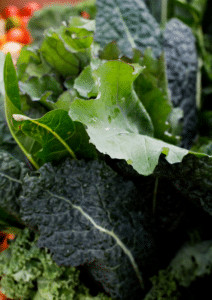
Growing veggies in the shade
Two years ago, we removed most of the large trees in our garden to allow more sunlight in. Now, as we transition into winter and living in an urban area, the boundary walls and our neighbours’ trees are starting to cast shade on areas that were previously in full sun. While it is possible for plants to grow in the shade, they tend to grow more slowly under those conditions. In this post, we will delve into which vegetables grow best in shaded areas, and at the end, we will break it down by region.
Shade can vary in intensity, and different vegetables have different tolerance levels:
- Partial shade (3-4 hours of sunlight per day) – Best for leafy greens and some root crops.
- Dappled shade (sunlight filtering through trees or structures) – Good for salad greens and some herbs.
- Full shade (no direct sunlight, but some ambient light) – Very few vegetables will thrive, but certain herbs and mushrooms may work.
Many vegetables can thrive in the shade during winter, but I particularly enjoy growing leafy greens because they yield the best results for me. Your garden will be somewhat limited in winter. I haven’t had much success with Brassicas in shaded areas, although I know some people have had better luck with them.
1. Leafy Greens (Most Shade-Tolerant)
- Spinach (Swiss chard, baby spinach, perpetual spinach) – Thrives in low-light conditions and tolerates cool temperatures.
- Lettuce (Loose-leaf, butterhead, romaine) – Prefers cool weather and grows well with minimal sunlight.
- Kale – One of the best winter crops; grows well in partial shade.
- Mustard Greens – Tolerates shade and adds a peppery flavor to dishes.
- Arugula (Rocket) – Quick-growing and does well in limited sunlight.
2. Root Vegetables (Partial Shade Tolerant)
- Carrots – Slower-growing in the shade but still produce harvestable roots.
- Beets – Thrives in partial shade and provides both edible roots and greens.
- Radishes – Fast-growing and does well with minimal sunlight.
- Turnips – Grows well in cool, shady spots.
3. Herbs for Winter Shade Gardens
- Parsley – Grows well in dappled shade and thrives in winter.
- Coriander (Cilantro) – Prefers cooler temperatures and can handle limited light.
- Mint – Naturally adapted to shade and spreads well.
- Chives – A hardy herb that tolerates low-light conditions.
- Thyme – Can grow in partial shade, especially in winter.
4. Brassicas (Cold-Season Crops That Handle Shade)
- Cabbage – Requires some light but tolerates partial shade well.
- Broccoli – Produces smaller heads in shade but still thrives.
- Cauliflower – Can be grown in dappled shade but takes longer to mature.

- Brussels Sprouts – Tolerates cool weather and some shade.
5. Edible Mushrooms (For Full Shade Gardens)
- Oyster mushrooms – Can be grown in completely shaded, damp areas.
- Shiitake mushrooms – Require decaying wood or a controlled growing environment.
Tips for Growing Vegetables in Shade During Winter
- Maximize Light Exposure: Place plants in areas that get the most sunlight during the day, even if only for a few hours.
- Improve Soil Quality: Use compost and organic matter to enrich the soil, as plants in shade need extra nutrients.
- Choose Fast-Maturing Varieties: Some shade-tolerant vegetables take longer to mature; selecting quick-growing types helps maximize yield.
- Use Reflective Surfaces: Placing white stones, mirrors, or reflective materials near plants can help bounce more light onto them.
- Container Gardening: Grow vegetables in movable pots that can be placed in sunnier spots when possible.
| Region | Climate & Conditions in Winter |
Recommended Veggies & Herbs (with Explanation)
|
|---|---|---|
| Northern Regions (Limpopo, Mpumalanga) |
• Winters are relatively mild with cool mornings and evenings. | Vegetables: • Spinach – Thrives in mild temperatures and produces tender, nutrient-rich leaves. • Lettuce (butterhead/looseleaf) – Grows well in cooler conditions, and shade helps prevent bolting. • Swiss Chard – Adapts easily to cooler, partially shaded conditions with vibrant, edible stems. • Radishes – Quick-maturing and tolerates mild shade well.Herbs: • Mint – Hardy and vigorous, ideal for shaded spots that maintain moisture. • Coriander – Prefers cooler climates, and shade can slow its bolting for a longer harvest. |
| Central Regions (Gauteng, Free State) |
• Winters can be cold with occasional frost, particularly in highveld areas. | Vegetables: • Kale – Highly frost-tolerant, providing continuous nutrient-dense leaves. • Spinach – Performs well in cool weather, with shade reducing the risk of premature bolting. • Lettuce – Looseleaf and romaine varieties thrive under cool, partially shaded conditions. • Pak Choi – Fast-growing and maintains a crisp texture in cooler, shaded areas.Herbs: • Parsley – Robust in cooler climates, with shade helping maintain its flavor. • Thyme – Tolerates frost and benefits from reduced direct sunlight. • Mint – Continues to flourish despite cooler conditions and frost. |
| Western Regions (Western Cape) |
• Winters are cool and wet with overcast skies, creating diffused light similar to natural shade. | Vegetables: • Swiss Chard – Grows robustly in cool, moist conditions with diffused light. • Lettuce – Performs well under gentle, overcast light, maintaining crisp leaves. • Cabbage – Tolerates cool, wet conditions; shade helps moderate temperature swings for better head formation. • Cauliflower – Benefits from partial shade to promote even head development in a cool climate.Herbs: • Rosemary – Thrives in mild winters and can withstand occasional moisture. • Oregano – Hardy in cool, damp conditions and maintains its aromatic quality. • Mint – Adapts well to the cool, naturally shaded conditions. |
| Eastern Regions (KwaZulu-Natal, Eastern Cape) |
• Coastal areas are mild; inland regions may experience cooler nights. | Vegetables: • Spinach – Well-suited to mild winter conditions, providing a steady yield of tender leaves. • Lettuce – Grows well with natural shade, which prevents bolting and maintains texture. • Beetroot – Tolerates partial shade; the cooler nights can help develop sweeter roots. • Radishes – Quick-maturing and adapt well to limited direct sunlight.Herbs: • Mint – Flourishes in various shaded settings and is easy to maintain. • Coriander – Benefits from shade in coastal areas to slow its growth for a longer harvest. • Parsley – Grows steadily in mild conditions and is less likely to bolt in partial shade. |
Tracking the sun in your winter garden helps ensure that every plant receives the best possible conditions to thrive during the challenging winter months. In winter, days are shorter, and the sun sits lower in the sky. By keeping an eye on the sun’s path, you can position your plants to capture the maximum available sunlight, which is essential for photosynthesis and healthy growth.
Happy Gardening Friends