What is mulch?
Mulch is a layer of material applied to the surface of soil. There are a wide variety of mulches—both organic and inorganic—that have different uses in the garden. Mulch suppresses weed growth and helps retain soil moisture. It also protects the soil against drying winds and direct sun while regulating soil temperature.
- Organic mulches can be used to amend soil. As the organic matter breaks down, it provides nutrients to the soil beneath, acting as a slow-release plant food. Worms take the mulch into the soil, improving soil structure, aeration, and water-holding capacity.
- Inorganic mulch lasts much longer and can prevent weed growth but does not provide nutrients. Some plastic sheeting can disintegrate over the years and pollute your garden. In places where your soil does not need fertilization, landscape fabric prevents weeds from growing but can also keep water and other nutrients from passing through to the soil.
Types of Organic Mulch
Compost mulch
Compost is nutrient-rich, and as it decomposes, the goodness will leach into the soil, bringing good bacteria, micronutrients, and worms. Compost must be broken down completely, or you risk burning the plants. Compost will decompose fast, and I suggest protecting it with a layer of another natural mulch material.
Leave mulch
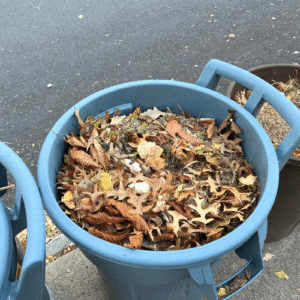
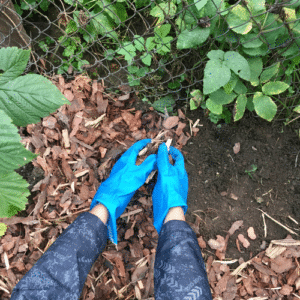
Fallen leaves are great for use as a natural mulch. They enrich your soil, retain moisture, and protect your plants from winter’s fluctuating temperatures. Earthworms will love the leaves and burrow to the surface to get to these leaves, encouraging drainage. When using leaves as mulch, take care not to put too thick a layer on the soil. This might lock in too much moisture, potentially damaging any plants that are susceptible to rot and other fungal diseases. If you have large leaves in the garden, consider shredding or tearing them before using them as mulch, which will help the leaves break down quicker and prevent the development of diseases.
Grass clippings
Grass clippings are a good mulch option. When using wet grass clippings, there are a few things to consider. Do not apply a layer of grass clippings that is too thick at one time. Decomposing green materials generates heat; if a layer is too thick, it can burn plant roots and crowns. Wet grass clippings can mat down, reducing oxygen and moisture from getting into the soil. I sprinkle just enough on the soil to barely cover the soil, and a few days later, I will add more clipping. If you have weeds in your grass, ensure that your grass clippings are dry before using the clipping as mulch. I prefer grass clipping on my perennial beds, especially under fruit trees and scrubs.
Straw
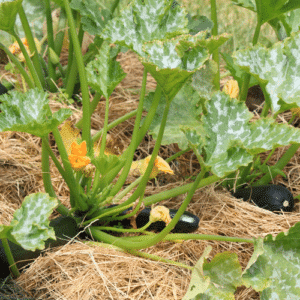
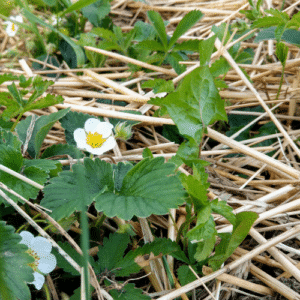
Straw is one of the best mulch materials you can use around your vegetable plants. It’s clean, light, and breaks down relatively easily. Straw bales are so compact that you will be surprised how far you can get with one. Finding a “clean and weed-free” straw is difficult, so ensure your supplier will give you a clean bale. One of my preferred ways to grow potatoes in the garden is using only straw. Follow this link to see how we grow our Lazy Potatoes [1].
Bark / Woodchips mulch
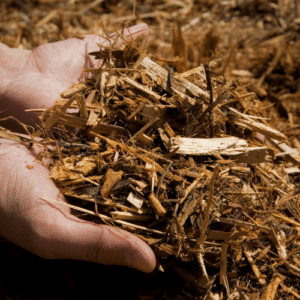
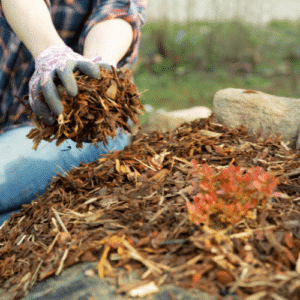
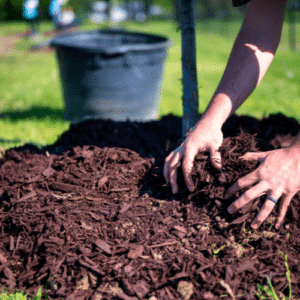
Woodchips are a great mulch around perennial trees, bushes, and pathways. Using woodchips in annual garden beds is fantastic and will not harm your plants. As the woodchips break down, they add nutrients back into the soil. There is a misconception that the carbon in woodchips will rob the soil of nitrogen. That is not true. Actually, many studies have demonstrated that woody mulch materials increase nutrient levels in soils and/or associated plant .foliage
Because wood chips will absorb excess moisture during heavy rainfall or heavy watering, the soil will remain and not get washed away. These woodchips also act like little sponges, releasing moisture during the day’s heat. As with other mulches, woodchips help suppress weeds and protect the soil from erosion and compaction by wind and rain. Do not mulch with woodchips directly up against tree trunks or shrubs, as this can create a moist environment, which may encourage disease.
Benefits of mulch
If you are gardening without mulch, you are working too hard. Mulch is relatively inexpensive, and you can get it for free. Falling leaves and grass clippings are available everywhere. We don’t have many large trees in the garden, and we removed the last of our grass at the beginning of the year. Staying in an urban environment, we got our neighbours involved, and we are now getting our leaves and grass clipping from them.
- It helps retain moisture in the soil for longer. Mulch prevents evaporation by shielding the soil from the sun. It also reduces water run-off during rain or watering. This reduces the amount of water needed.
- It assists in regulating soil temperature, keeping roots consistently cool in summer and warm in winter.
- Soil is often washed away by rainwater, but mulch can prevent this. Mulch protects the soil by breaking the flow of water and minimizing the force when water impacts the ground. It acts as a shield, which helps keep your landscape in place and finally prevents soil erosion.
- A layer of mulch naturally helps prevent weeds from sprouting by blocking their growth and access to sunlight.
- Mulches made from other organic materials improve the soil as they break down. Microbes and insects in the soil naturally consume the mulch over time, adding the by-products back to the soil in the form of organic matter.
Enjoy your time in the garden!