
One of the most common messages we get during autumn and winter is:
“Tash… what is this black sticky stuff all over my citrus leaves?”
And honestly, once you notice it, you suddenly start seeing it EVERYWHERE on citrus trees. That black layer underneath the leaves — and sometimes even on branches or fruit — is usually something called sooty mould. The good news is that the black mould itself is usually not the actual problem. It is normally just a symptom of another pest issue happening on your citrus tree.
Sooty mould is a black fungus that grows on a sticky sugary substance called honeydew. This honeydew is produced by sap-sucking insects feeding on your tree. The most common culprits are aphids, scale insects, mealybugs and whitefly. These pests suck sap from the plant and then leave behind the sticky residue on the leaves and branches. The black fungus then starts growing on top of that layer.
So technically:
No pests = no honeydew = no black mould.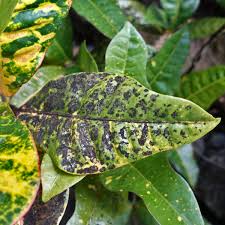
The mould itself usually does not directly kill the tree, but it blocks sunlight from properly reaching the leaves. Over time this affects photosynthesis and slowly weakens the tree. Stressed citrus trees then become far more vulnerable to disease, poor growth and reduced fruit production.
One of the biggest clues that something is happening on your tree is usually ants. If you suddenly notice ants running up and down your citrus tree, there is a very good chance you have sap-sucking insects somewhere. And this part always fascinates people — ants actually protect aphids and scale insects because they LOVE feeding on the sweet honeydew they produce. They basically “farm” them. This is why many people spray their citrus trees but the problem keeps coming back. If the ants remain, they often continue protecting the pests from natural predators.
At VanZylStead, ants are usually our first warning sign that something is happening before we even notice the insects themselves.
The underside of the leaves is normally where the real story is happening. This is usually where aphids and scale insects hide first. You may also notice sticky leaves, yellowing foliage, curling leaves or branches that simply do not look healthy anymore. Sometimes the fruit itself even becomes covered in black soot-like marks. During winter, especially here in the Western Cape, many people notice the problem more because citrus trees become stressed from cold weather, wet conditions, poor airflow and reduced sunlight. Dense growth and overcrowded branches create the perfect hiding place for pests.
Winter gardens also often have less beneficial insect activity, which means aphids and scale insects can suddenly explode without much natural control. The good news is that citrus trees are incredibly resilient and usually recover beautifully once the real pest issue is solved.
Neem oil can work VERY well if used correctly. Neem oil does not necessarily clean the black mould itself, but it targets the insects causing the honeydew problem. It works by smothering soft-bodied insects, disrupting feeding and interrupting their breeding cycles. When using neem oil, it is very important to spray underneath the leaves because this is where most pests hide. We always recommend spraying late afternoon or early evening because neem oil can burn leaves in hot direct sunlight. One spray is also usually not enough. Heavy infestations often require repeated sprays every 7 to 10 days to properly break the cycle.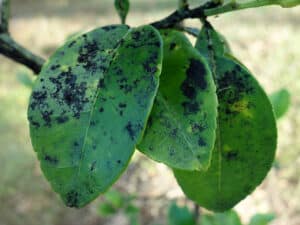
We also like combining neem oil with proper pruning, healthy soil, mulch and good airflow around the tree. Healthy trees are always far more resistant to pests and disease.
And honestly… mulch makes a massive difference.
Healthy soil creates healthy plants. We see it over and over again in the garden. Trees growing in healthy living soil simply cope better with stress and pest pressure. Another very important step is controlling the ants. You can spray all day long, but if the ants continue protecting the aphids or scale, the problem often quickly returns.
Things that can help include sticky ant barriers around trunks, reducing nearby aphid populations, pruning branches touching walls or other plants and keeping weeds under control around the base of the tree. Once the ants disappear, beneficial insects like ladybirds and lacewings often naturally move back in and start helping you control the pests again. Prevention really is the best long-term solution. Regularly checking underneath leaves, pruning overcrowded growth and feeding your citrus trees correctly throughout the year makes a massive difference.
One thing we always encourage gardeners to do is to simply slow down and really look at their plants.
- Turn leaves over.
- Watch for ants.
- Look closely at stems and branches.
Most garden problems actually start giving small warning signs long before the plant becomes seriously unhealthy. At VanZylStead we always say: The leaves are talking to you. And usually… once you flip over the leaf, the garden mystery starts solving itself
In our June digital magazine we dive much deeper into how to properly care for your citrus trees during winter. From feeding schedules and pest problems to sooty mould, ants, yellow leaves and winter watering — we cover it all in a simple, practical way for South African gardens. If your citrus trees are looking a little unhappy this winter, this issue is definitely for you.
Get your copy here and grow along with us [1]
Happy Gardening Friends
Tash en die Familie
 [1]
[1]