Why Every Gardener Needs a Worm Farm: A Simple Solution for a Healthier Garden
If there’s one thing I’ve learned from working in the garden, it’s that nature has all the answers—especially when it comes to waste management and soil health. One of the best ways to work with nature rather than against it is by setting up a worm farm.
If you don’t already have one, let me tell you why you absolutely should!
What is a Worm Farm?
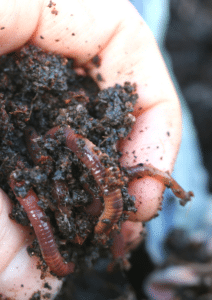
A worm farm, also known as vermiculture, is a simple system where worms break down organic waste into nutrient-rich compost. These little composting champions munch their way through kitchen scraps and turn them into what is often called “black gold” or worm castings—one of the most powerful soil amendments you can find.
The basic setup is easy: a container, some bedding (such as shredded newspaper or coconut coir), food scraps, and, of course, worms—preferably red wigglers or African nightcrawlers, as they are the most effective composting worms. Over time, the worms eat the waste, digest it, and excrete castings that are packed with beneficial microbes and nutrients for your garden.
Read more about earthworms here [1]
The Science Behind Worms and Vermicompost
Worms play a crucial role in soil health. As they consume organic matter, their digestive systems enrich it with beneficial microbes and enzymes that improve soil structure and fertility. Worm castings contain humic acid, which helps plants absorb nutrients more efficiently. They also have a balanced pH and essential nutrients like nitrogen, phosphorus, potassium, and calcium—all of which are vital for plant growth.
Vermicompost enhances soil aeration and water retention, creating an environment that allows roots to thrive. The beneficial microbes in worm compost also suppress harmful pathogens and improve soil biodiversity, reducing the risk of plant diseases.
How Does a Worm Farm Work?
The process is simple and requires little maintenance:
- Add organic waste – Feed the worms fruit and veggie scraps, coffee grounds, eggshells, and even shredded paper. Avoid citrus, onion, and anything too oily.
- Let the worms do their magic – As they eat, the worms produce castings, which are nutrient-rich and perfect for soil health.
- Harvest the compost – Every few months, you can collect the worm castings and use them in your garden beds or as a top dressing for plants.
- Drain worm tea – Many worm farms produce a liquid byproduct known as worm tea, which is an excellent natural fertilizer when diluted with water.
How to Use Vermicompost and Worm Tea
Once you’ve harvested your worm castings and worm tea, here’s how to make the most of them in your garden:
Using Vermicompost:
- Soil Enrichment: Mix a handful of worm castings into your garden beds or potted plants for a slow-release nutrient boost.
- Seed Starting: Blend vermicompost into seedling mix to give young plants a healthy start.
- Top Dressing: Sprinkle castings around the base of plants to enrich the soil and promote growth.
- Compost Booster: Add worm castings to traditional compost piles to accelerate decomposition and increase microbial activity.
Using Worm Tea:
- Liquid Fertilizer: Dilute worm tea in a 1:10 ratio (one part worm tea to ten parts water) and use it as a foliar spray or soil drench.
- Plant Boost: Apply worm tea every two weeks to provide a nutrient boost to fruiting and flowering plants.
- Soil Microbe Enhancer: Use it to introduce beneficial microbes into the soil, improving plant health and disease resistance.
- Pest Deterrent: Spraying diluted worm tea on leaves can help protect against some pests and diseases.
Why should I go through the effort of setting up a worm farm?
- Reduces Waste – A worm farm helps reduce kitchen waste by keeping food scraps out of landfills. Instead of throwing organic waste away, you turn it into something valuable for your garden.
- Improves Soil Health – Worm castings are rich in nutrients like nitrogen, phosphorus, and potassium, and they enhance soil structure by increasing microbial activity.
- Boosts Plant Growth – Plants that grow in soil enriched with worm castings are often healthier, more resistant to disease, and produce better yields.
- Natural Pest Control – The microbes in worm castings help create a natural balance in the soil, reducing the risk of plant diseases and pests.
- Saves Money on Fertilizers – Instead of buying expensive fertilizers, you have a free and natural alternative right in your garden.
- Eco-Friendly Gardening – By composting with worms, you contribute to a more sustainable gardening practice that benefits both you and the planet.
Setting up a worm farm is one of the simplest and most rewarding things you can do for your garden. It’s low-maintenance, environmentally friendly, and provides an ongoing source of rich compost and liquid fertilizer. If you care about sustainability, healthy soil, and growing amazing veggies, a worm farm is a must-have.
Wizzard Worms is a family-owned vermiculture business based in Greytown, KwaZulu-Natal, South Africa, with a research farm located in Rietvlei. They specialize in breeding earthworms and offer a variety of worm farms suitable for both domestic and commercial use. Their products include DIY worm farms, domestic kitchen waste worm farms, garden worm farms, and doggy pooh worm farms. Wizzard Worms also provides comprehensive instructions on constructing, commissioning, harvesting, and maintaining worm farms, as well as guidance on applying liquid worm wee and vermicompost. For more information or to discuss your specific needs, you can reach them at +27 33 413 1837 (office) or +27 82 301 5371 (mobile), or email thewiz@wizzardworms.co.za [2]
See how we set up our Wizzard Worm Compost Bin [3]
Happy Composting Friends
Tash and The Worms