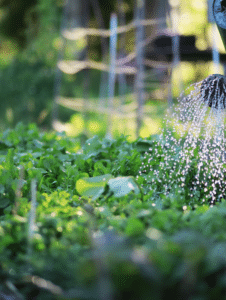
I’ll never forget my first real winter with a veggie garden. I assumed the cold meant less work, so I cut back my watering a lot. A few weeks later, my poor lettuce was limp, my garlic wasn’t sprouting, and the spinach had gone yellow. Whoops. Turns out that winter watering is a little trickier than I thought.
If you’ve ever asked yourself, “Should I water today, or is it still damp from last week’s rain?” — you’re not alone. Winter watering is all about balance, and today I want to share what’s worked for me and the veggie gardens I consult on across South Africa.
Why Winter Watering Still Matters
Even though the weather’s cooler and plants grow more slowly, they still need water — especially root crops like carrots, beetroot, and onions that are working hard underground.
But because evaporation slows down in winter (especially with mulching), watering too often can cause root rot, fungal disease, and stressed plants.
My Golden Rules for Winter Watering
1. Check the soil — not the calendar.
Before I water, I do the good ol’ finger test: I poke my finger about 5cm into the soil.
-
Dry? Time to water.
-
Cool and moist? Leave it for another day or two.
-
Sticky or soggy? Skip it. Plants hate wet feet in winter.
2. Water in the morning, always.
Mornings are best because the soil can warm up during the day. Watering in the evening leads to cold, soggy roots overnight, which can spell trouble.
3. Mulch like your garden depends on it. (It does!)
A nice layer of straw, dried leaves, or compost keeps the moisture in and reduces how often you need to water. It also protects roots from temperature swings.
4. Adjust for your region.
-
Inland (Gauteng, Free State): Cold and dry winters mean less rainfall, so root crops need regular deep watering every 5–7 days.
-
Coastal (Western Cape, KZN): Winter rains help out, but wind can dry out soil faster than you think. Still check under the mulch weekly.
-
Frosty zones: Be extra careful not to overwater — frosty nights + wet soil = root damage.
What I Do Differently in Winter
-
I water less often, but deeper. A good soak once a week is better than a light sprinkle every few days.
-
I focus on watering around the roots, not all over the leaves (helps prevent mildew too).
-
I group thirsty plants like spinach, celery, and chard together so I can target those areas more often.
-
I keep a watering journal to remind myself when I last watered each bed — trust me, memory fades fast in winter!
Signs You Might Be Overwatering
-
Yellowing leaves
-
Mushy stems (especially on spinach or lettuce)
-
Moldy mulch or moss on the soil
-
Plants looking sad even though the soil is wet
If this sounds familiar, skip watering for a few days and improve drainage with compost or straw. Lift mulch slightly from the base of affected plants to let things dry out.
I’ve made it a little ritual: warm cup of rooibos in hand, gumboots on, out in the crisp morning air doing a soil check and gentle water session. It’s peaceful, and a great way to connect with the garden — even when growth slows down.
Winter watering isn’t about schedules — it’s about listening to your soil and knowing your plants. Once you get the rhythm right, you’ll have strong, healthy crops that thrive even in the cold.
Let me know: how often do you water in winter? Have you had any watering mishaps like me? Drop a comment below or tag me on Instagram with your winter watering tips!
Stay warm and keep growing