If there’s one thing that has completely changed the way we garden at VanZylStead, it’s composting.
People often ask me what fertiliser I use, expecting there to be one magic product that makes all the difference. But the truth is that the healthiest gardens don’t start with fertiliser—they start with healthy soil. Every tomato, carrot and lettuce you harvest removes nutrients from the ground. If we don’t replace those nutrients, our soil slowly becomes tired, less productive and much harder to grow in.
That’s why compost has become such an important part of our garden. It feeds the soil rather than just feeding the plant. It improves soil structure, helps the ground retain moisture during our hot Cape summers, encourages earthworms and beneficial microbes, and slowly releases nutrients exactly when plants need them.
The wonderful thing is that there isn’t just one way to compost. Over the years we’ve experimented with different systems, and today we actually use five different methods because each one has its own purpose. Whether you have a large property, a tiny backyard or even a small balcony, there’s a composting method that can work for you.
1. A Worm Farm – Let Nature Do the Hard Work
If I were introducing someone to composting for the very first time, I would probably recommend starting with a worm farm.
These aren’t ordinary garden worms, but red wriggler worms, which are incredible little composting machines. Every day they happily work through your kitchen scraps, turning them into rich worm castings that are packed with nutrients and beneficial microorganisms. Those castings are often referred to as black gold in the gardening world because they’re one of the finest soil conditioners you can add to your vegetable beds.
One of the biggest misconceptions is that worm farms smell. A healthy worm farm should actually have a fresh, earthy smell, much like a forest floor after rain. If it starts smelling unpleasant, it’s usually a sign that too much food has been added or that the balance between wet and dry material needs adjusting.
Our worms enjoy fruit and vegetable scraps, coffee grounds, tea bags without plastic, crushed eggshells, shredded cardboard and dry leaves. These materials break down beautifully and create a balanced environment for the worms. What I avoid adding are meat, dairy products, oily foods and large quantities of citrus or onions, as these can upset the system and attract unwanted pests.
Besides producing nutrient-rich worm castings, the farm also creates a liquid that can be diluted and used around the garden as a soil drench. It’s an incredibly rewarding system because almost every handful of compost you remove is alive with beneficial microbes that immediately improve your soil.
2. Bokashi – The Composting System That Changed Our Kitchen
One of the biggest frustrations with traditional composting is that there are so many things you can’t add to the pile. Cooked meals, leftover pasta, bread, rice, cheese, meat, fish and even bones normally attract rodents and create unpleasant smells if they’re added to a conventional compost heap.
That’s exactly why I love Bokashi. Instead of relying on decomposition, Bokashi uses beneficial microbes to ferment your food waste inside an airtight bucket. Every time you add a layer of food scraps, you sprinkle a little Bokashi bran over the top before sealing the lid again. Over the next two weeks the microbes ferment the waste rather than allowing it to rot.
The result is something quite remarkable. Almost every bit of food waste that would normally end up in the rubbish bin can now become food for your garden. Once the fermentation process is complete, I simply bury the material directly in an empty garden bed or add it to one of my compost systems. Within a few weeks the soil organisms take over, breaking everything down surprisingly quickly.
One of my favourite bonuses is the Bokashi liquid that drains from the bucket. When diluted, it can be used around the garden, and many people even pour it down household drains to help keep the plumbing fresh and healthy. If you’re trying to reduce household waste, Bokashi is probably one of the most effective systems you can own.
Pop me an mail if you would like to order a Bokashi Bin
3. The Aerobin – Fast Compost with Very Little Effort
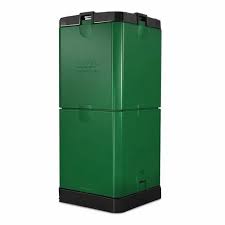
If you’ve ever struggled with a compost heap that seems to sit for months without doing much, you’ll appreciate what an Aerobin can do. We have been using ours for several years now, and it has become one of the hardest-working pieces of equipment in our garden.
Unlike a traditional compost pile, the Aerobin is designed to hold heat while maintaining excellent airflow. The insulated walls allow temperatures inside the bin to climb much higher, which speeds up decomposition considerably. Because the system stays warm, the microorganisms responsible for breaking down organic matter remain active for much longer.
I regularly add vegetable scraps, coffee grounds, garden prunings, grass clippings, shredded cardboard, dry leaves and old plants that are free from disease. As with any composting system, balance is everything. Too many green materials such as fresh grass and kitchen scraps can leave the compost wet and smelly, while too many brown materials like dry leaves and cardboard slow the process down. A healthy mixture of both creates the ideal environment for composting.
Another advantage is that the enclosed design keeps rodents away, retains moisture far better than an open heap and looks much neater in the garden. It also requires very little maintenance compared with traditional compost piles.
One of the biggest myths about composting is that you need expensive equipment before you can begin.
You really don’t. Some of the best compost I’ve ever seen has come from simple homemade bins built from wooden pallets, shade cloth, wire mesh or even an old plastic drum with holes drilled into the sides for ventilation. The principles remain exactly the same regardless of what the bin looks like.
You want to combine green materials such as vegetable scraps, fresh weeds that haven’t gone to seed and grass clippings with brown materials like dry leaves, straw, shredded newspaper and cardboard. The greens provide nitrogen, while the browns provide carbon. Together they create the perfect environment for the microorganisms that do all the hard work. The pile should feel about as damp as a wrung-out sponge. If it becomes too wet, add more dry material. If it becomes too dry, simply give it a little water. Turning the pile every few weeks introduces fresh oxygen, helping everything decompose much more quickly.
It’s simple, affordable and ideal if you have a larger garden that produces plenty of green waste throughout the year.
5. Simply Bury Your Kitchen Scraps
Sometimes the easiest composting method is also one of the oldest. If you don’t have a compost system yet—or your compost bins are already full—you can simply bury your kitchen scraps directly in the soil. I often use this method when preparing new vegetable beds. Dig a trench or hole about 20 to 30 centimetres deep between where you’ll be planting, add your fruit and vegetable scraps, and then cover everything completely with soil.
As the scraps decompose, earthworms, fungi and beneficial soil microbes naturally break them down, releasing nutrients exactly where future plant roots will need them. The only caution is to avoid burying meat, dairy products or oily foods directly unless they’ve first gone through a Bokashi system. Those materials can attract unwanted animals if buried fresh.
It’s an incredibly simple method that costs absolutely nothing and quietly improves your soil while you get on with the rest of your gardening.
Healthy Soil Is the Secret to a Productive Garden
People often think composting is simply a way to get rid of kitchen waste. For me, it’s much bigger than that. Every banana peel, every handful of coffee grounds, every autumn leaf and every bucket of grass clippings represents nutrients that can either end up in a landfill or return to the soil where they belong.
At VanZylStead we don’t rely on just one composting system. Our worm farm takes care of fresh kitchen scraps, Bokashi deals with cooked food and meat, the Aerobin processes large volumes of garden waste, our homemade compost bins handle seasonal clean-ups, and whenever we’re preparing new beds, we bury kitchen scraps directly into the soil.
Together these five systems allow us to recycle almost everything our home and garden produce.
Healthy soil isn’t built overnight. It grows one bucket of compost at a time. And if there’s one investment that will reward you season after season, it’s taking the time to feed your soil. Because when you build healthy soil, healthy plants naturally follow.
Happy Gardening Friends
Tash en die Familie
Looking for more practical gardening inspiration? Visit our store to explore our latest digital magazines, eBooks, and hands-on workshops. Whether you’re just starting your veggie garden or looking to take it to the next level, you’ll find everything you need to grow with confidence. VanZylStead Store
September always gets me excited. You walk outside, the days are getting a little longer, there’s new growth everywhere and suddenly you want to plant everything. But before you rush off to the nursery and come home with a boot full of seedlings — go and have a look...
This is your working garden companion for September. Print it out, keep it somewhere close, and actually use it. Take it into the garden, tick things off, write down what you're planting and make notes as you go.
By the end of September, I want this checklist to look like it has actually lived in your garden with you.
This content is for Subscriber and Annual Subscriber members only. Join Now
Okay, so you’ve decided what you want to grow. You’ve bought the seeds. You’ve got the seedlings. And then comes the BIG question. How much must I actually plant? Because let’s be honest, it is VERY easy to get carried away. You open a packet of lettuce seeds, they’re...




0 Comments