One of the biggest mistakes I see every winter is gardeners leaving their beds completely bare because they think nothing is growing. The tomatoes are finished, the beans are gone, and suddenly the veggie garden looks like it has gone into hibernation.
The problem is that nature never leaves soil exposed. In a forest, leaves fall to the ground. In grasslands, old grasses die back and cover the soil. Bare soil is something humans create, not nature. Every time winter rain hits exposed soil, nutrients wash away, soil compacts, and valuable organic matter is lost. If there is one thing you do this winter, make sure your soil is covered.
Do Use What You Already Have
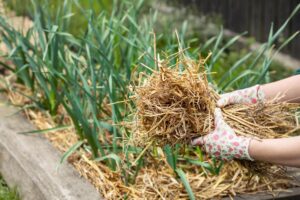
Before spending money on mulch, take a walk around your garden. Some of the best mulches are already lying around waiting to be used. Fallen leaves, dried grass clippings, comfrey leaves, straw, old vegetable plants that are disease-free, and shredded pruning material can all be turned into valuable mulch.
Every year I smile when I see bags of leaves waiting for collection on the pavement. Those leaves are not rubbish. They are future compost, future worm food, and future vegetables. Some of the richest soil in the world is built from nothing more than fallen leaves breaking down over time.
Do Mulch Empty Beds
Many gardeners only think about mulching around growing plants, but some of the most important beds to mulch are the empty ones. If you know a bed will only be planted in spring, cover it now. Add leaves, compost, straw, or whatever organic matter you have available. Over winter, earthworms will slowly pull that material into the soil, improving its structure and fertility without you lifting another finger.
Think of it as hiring thousands of tiny gardeners to work while you sleep.
Don’t Spread Diseases Around Your Garden
Not everything belongs in the mulch pile. If your tomatoes were covered in blight, your pumpkins had mildew, or your beans suffered from rust, don’t chop those plants up and spread them around the garden. All you are really doing is helping next season’s problems survive the winter.
Healthy plant material makes fantastic mulch. Diseased plant material belongs somewhere else.
Do Feed The Soil First
One of the biggest lessons I have learned over the years is that successful gardening starts below ground. Most gardeners focus on feeding their plants. The real magic happens when you feed the soil.
Every layer of mulch becomes food for earthworms, fungi, beneficial bacteria, and countless other organisms living beneath the surface. These tiny workers are responsible for breaking down organic matter, recycling nutrients, and building healthy soil.
Healthy soil grows healthy vegetables. It’s really that simple.
Don’t Create A Mulch Volcano
When mulching around fruit trees, citrus trees, or even vegetables, avoid piling mulch directly against stems and trunks. It may look neat, but it creates the perfect conditions for rot, fungal problems, and pests. Moisture trapped against stems for long periods is never a good idea. Always leave a small gap around the base of the plant. Think doughnut rather than volcano.
Do Use Compost As Mulch
Many gardeners think compost only belongs underneath the soil. I use compost on top of the soil all the time. A layer of compost acts as a protective blanket while simultaneously feeding the soil and the plants. It helps protect the soil surface from winter rain, encourages earthworm activity, and slowly releases nutrients over time.
If you have homemade compost available, winter is one of the best times to use it.
Don’t Go Overboard
More mulch does not always mean better mulch. A layer that is too thick can prevent water from reaching the soil properly and may create a damp environment where slugs and snails thrive. Mulch should protect the soil, not smother it.
A reasonable layer is usually all that is needed. Remember, you can always add more later if necessary.
Do Mulch Your Pathways
At VanZylStead, pathways are not wasted space. Winter pathways can quickly become muddy and compacted after a few days of rain. A layer of wood chips helps absorb excess moisture, reduces mud, and slowly breaks down into valuable organic matter.
Over time, even the pathways contribute to building healthier soil. Nothing goes to waste.
Don’t Use Fresh Wood Chips Around Hungry Vegetables
Fresh wood chips are fantastic, but they have their place. As they break down, they can temporarily tie up some nitrogen. That’s why I prefer using them on pathways, around fruit trees, or in perennial areas rather than directly around hungry crops like broccoli, cabbage, cauliflower, and lettuce.
Around vegetables, compost, straw, and leaves are often a better choice.
Do Keep Topping Up
Mulch is not a once-off job. Winter rain, wind, chickens, worms, and time slowly break it down. That is exactly what we want. As the mulch disappears, it becomes part of the soil. Every few weeks, take a walk through the garden and top up areas that are looking thin. Building soil is not something we do once. It is something we do continuously.
Mulch For Spring, Not Winter
Perhaps the most important thing to remember is that when you mulch in winter, you are not gardening for today. You are gardening for spring.
Every handful of leaves, every bucket of compost, and every layer of mulch is an investment in the growing season ahead. While the garden may look quiet above ground, underneath that protective blanket, worms are feeding, fungi are spreading, microbes are multiplying, and your soil is becoming richer every day.
The gardeners with the best spring gardens are usually the ones who spent winter looking after their soil. Because when you feed the soil, the soil will always feed your plants.
If you’re looking for more practical gardening tips, seasonal advice, and step-by-step guides, don’t miss our Birthday Month Special. To celebrate one year of our digital magazine, we’re offering our latest 7 digital magazines, including the brand-new June edition, at a special discounted price for this month only. Packed with seasonal growing advice, DIY projects, pest solutions, and practical tips for South African gardeners, it’s the perfect resource to help you grow with confidence.
Pest Control Starts Long Before You See the First Pest! If there is one thing I have learnt over the years of growing our own food, it is that the best pest control starts long before you see the first aphid, caterpillar or snail. I often get asked what we spray in...
In our first two articles, we discovered the incredible world living beneath our feet and how bacteria, fungi, earthworms and plant roots work together to support our vegetables. Today, I want to bring all of that back into our own gardens. Because here's something...
In our previous article, we spoke about the incredible world of bacteria, fungi, earthworms and other tiny organisms living beneath our feet. But have you ever wondered how all this underground life actually helps feed your vegetables? We spend so much time thinking...








0 Comments