Why Planting Marigolds This Summer Is a Brilliant Idea
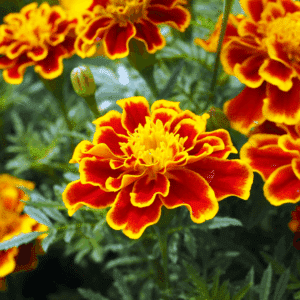
Every summer I find myself reaching for marigold seeds. Not just because they’re bright and cheerful, but because they’ve become one of my little garden secrets.
When we first started growing food, I thought marigolds were just “pretty flowers.” But over time, I learned that these colourful blooms are actually hardworking helpers in the veggie patch. And now, I wouldn’t plant a summer garden without them.
The Science Behind Marigolds
Marigolds (Tagetes species) release allelochemicals (such as thiophenes) through their roots and foliage. These compounds help suppress harmful soil nematodes, especially root-knot nematodes that damage the roots of tomatoes, beans, cucumbers, and many other summer veggies. Research has shown that interplanting marigolds reduces nematode populations significantly — giving your crops a better chance to thrive.
The flowers also produce a strong scent that confuses and deters certain pests, such as whiteflies, aphids, and thrips. At the same time, their bright blooms attract beneficial insects like ladybugs, hoverflies, and parasitic wasps, which feed on pests and keep their numbers in check.
In short: marigolds act like natural bodyguards for your garden.
Practical Companion Planting with Marigolds
Here are some smart ways to make the most of marigolds in your summer garden:
Tomatoes & Marigolds
Tomatoes are vulnerable to nematodes, whiteflies, and aphids.
Plant marigolds around the base of your tomato plants or in alternating rows.
Their scent helps mask the tomatoes, while their roots reduce nematode damage.
Cabbage Family Crops (Cabbage, Kale, Broccoli, Cauliflower)
These brassicas often struggle with aphids and cabbage moths.
Marigolds deter aphids and bring in beneficial wasps that prey on caterpillars.
Beans & Marigolds
Beans are prone to aphids and nematodes.
Interplanting marigolds in between bean rows helps reduce nematode damage and keeps sap-sucking pests away.
Cucumbers, Squash & Marigolds
Cucumbers and squash often attract whiteflies and cucumber beetles.
Planting marigolds nearby helps disrupt pests and protects your crop.
Herb Beds & Marigolds
Scatter marigolds among basil, mint, and oregano.
They’ll attract pollinators, boosting herb flowering, and provide a natural pest barrier.
Tips for Success
Spacing: Plant marigolds every 30–40 cm around beds or in borders.
Variety: French marigolds (Tagetes patula) are especially effective against nematodes.
Timing: Plant early in summer so they establish before peak pest season.
Maintenance: Deadhead spent flowers to encourage continuous blooms.
Final Thoughts
Marigolds are one of the easiest, most affordable pest-control tools you can add to your summer garden. They’re vibrant, kid-friendly, and backed by solid science — a natural way to reduce pests without harsh chemicals. Plus, they’ll keep your garden buzzing with life all season long.
So this summer, don’t just plant veggies — plant their bodyguards too. Plant marigolds.
And if you’re just starting your gardening journey, I’ve poured over 10 years of our experience into three eBooks designed to guide you step by step. They’re packed with practical advice, tips, and secrets that have helped me (and thousands of others) succeed in the veggie garden.
You can grab them today and start your own gardening adventure with confidence. Get them here
Pest Control Starts Long Before You See the First Pest! If there is one thing I have learnt over the years of growing our own food, it is that the best pest control starts long before you see the first aphid, caterpillar or snail. I often get asked what we spray in...
In our first two articles, we discovered the incredible world living beneath our feet and how bacteria, fungi, earthworms and plant roots work together to support our vegetables. Today, I want to bring all of that back into our own gardens. Because here's something...
In our previous article, we spoke about the incredible world of bacteria, fungi, earthworms and other tiny organisms living beneath our feet. But have you ever wondered how all this underground life actually helps feed your vegetables? We spend so much time thinking...








0 Comments