This week, we’ve been listening to our vegetable plants! First, we looked at what the leaves are telling us, then we moved on to the flowers, and today we’re looking at the part we’ve all been patiently waiting for — the fruit!
There is nothing quite like walking into your vegetable garden and spotting your first tomatoes, peppers, cucumbers or baby marrows. After weeks of watering, feeding and caring for our plants, it’s finally starting to pay off. But sometimes those beautiful little fruits don’t turn out quite the way we expected. Tomatoes crack, cucumbers grow into strange shapes, peppers develop dark patches, and suddenly we’re wondering what went wrong.
One thing I’ve learned over the years is that the fruit often gives us a pretty good indication of what has been happening in the garden. And the good news? Many of these problems can be prevented with a few small changes.
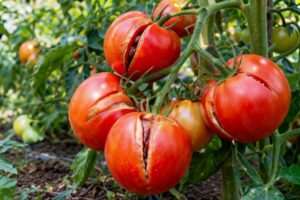
1. Tomatoes cracking or splitting
Have you ever walked into the garden and found a beautiful tomato with a big crack running across its skin? This usually happens when the fruit takes up water faster than its skin can stretch, often after a dry period followed by heavy rain or generous watering.
My garden tip: Consistency is everything. Rather water deeply and regularly than allowing the soil to dry out completely between waterings. A good layer of mulch helps keep moisture levels more stable. If heavy rain is forecast and your tomatoes are nearly ripe, consider harvesting them a little earlier and allowing them to finish ripening indoors.
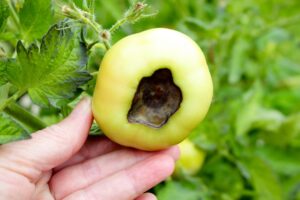
2. Dark, sunken patches underneath your tomatoes or peppers
This is known as blossom-end rot, and although it looks like a disease, it’s actually a physiological problem linked to insufficient calcium reaching the developing fruit.
Now, before you rush off to add calcium to your soil, remember that the problem isn’t always a lack of calcium in the ground. Irregular watering, root damage and excessive fertiliser can interfere with calcium uptake and movement within the plant.
My garden tip: Start by checking your watering routine. Keep soil moisture consistent, mulch well and avoid overfeeding. Adding eggshells or calcium products won’t necessarily solve the problem if your soil already contains enough calcium. Remove badly affected fruit if necessary and focus on helping the next fruits develop properly.
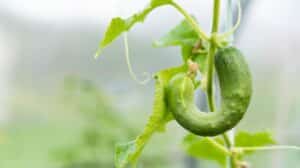
3. Cucumbers growing crooked or oddly shaped
Not every cucumber will be perfectly straight, and that’s absolutely fine! But when cucumbers become unusually narrow at one end, swollen at the other or severely misshapen, it can sometimes indicate incomplete pollination or stress during fruit development. Inconsistent watering, high temperatures and poor nutrition can also affect how evenly the fruit grows.
My garden tip: Make sure your plants receive consistent moisture, particularly when they’re carrying lots of fruit. Encourage bees and other pollinators by growing flowering plants nearby. And don’t leave cucumbers on the vine for too long — regular harvesting encourages the plant to keep producing.
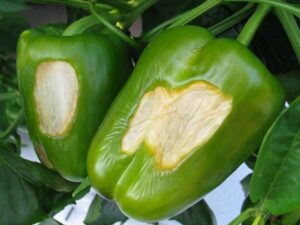
4. Pale or bleached patches on tomatoes and peppers
We all know our summer vegetables love sunshine, but even sun-loving plants can get too much of a good thing. When tomatoes and peppers develop pale, whitish or papery patches on the side exposed to strong sunlight, it may be sunscald. This often happens when fruit is suddenly exposed to direct sun after heavy pruning or when foliage has been damaged.
My garden tip: Be careful not to remove too many leaves from your tomato plants, especially during our hottest months. Those leaves provide valuable protection for developing fruit. If you’re growing peppers in an exposed position, some afternoon shade during extreme heat can make a big difference.
5. Your fruit is staying small or growing very slowly
Sometimes the fruit looks perfectly healthy but just doesn’t seem to grow. This can happen when plants are struggling with insufficient water, limited nutrients, overcrowded roots or too many developing fruits competing for resources. Container-grown vegetables are particularly vulnerable because they have a limited amount of soil to draw moisture and nutrients from.
My garden tip: Check the soil before reaching for fertiliser. Make sure the plant has enough growing space and water, and feed according to its needs with a suitable balanced vegetable fertiliser. If you’re growing in containers, remember that nutrients can be depleted more quickly, so regular, appropriate feeding becomes especially important.
6. Holes appearing in your fruit
If you’re finding small holes, tunnels or soft, damaged patches in your tomatoes, peppers or other vegetables, it’s time to investigate. Caterpillars, fruit flies and other pests can damage developing fruit, and the earlier you identify the culprit, the easier it is to manage.
My garden tip: Don’t immediately reach for a spray. First, open a damaged fruit and look for larvae or signs of feeding. Remove badly infested fruit and dispose of it appropriately rather than leaving it lying in the garden. For fruit fly, use species-appropriate monitoring traps to establish what’s active in your garden. Prevention and regular inspection are always my first choices.
A little reminder from my garden
One of the things I love most about growing our own food is that we’re constantly learning. A cracked tomato, a crooked cucumber or a pepper with a funny-looking patch isn’t necessarily a failure. Very often, it’s simply a clue that something in the growing conditions needs a little attention.
And remember, not every imperfect vegetable needs to go into the compost. A slightly crooked cucumber tastes just as delicious, and a cracked tomato can often still be enjoyed if it’s freshly damaged, clean and free from mould or rot.
So next time you’re walking through your vegetable garden, take a closer look at what’s growing. Your leaves, flowers and fruit all have a story to tell, and the more we observe, the better gardeners we become.
And to all our VanZylStead members, remember to pop over to our Members’ Resources Page! You’ll find even more practical gardening tips, helpful guides and advice to help you get the most out of your vegetable garden. These resources are exclusively for our members, so make sure you’re making the most of everything available to you.
What Are Your Flowers Trying to Tell You? On Monday we chatted about what your leaves are telling you. Yellow leaves, curled leaves and spots can give you some very good clues about what is happening with a plant. But leaves aren't the only ones talking. At this time...
What Is Your Veggie Garden Trying to Tell You? Part 1: Read the Leaves One thing I do almost every morning is walk through the veggie garden. Sometimes with coffee in hand, sometimes while I’m actually supposed to be doing something completely different, but I always...
Can You Really Save Money by Growing Your Own Vegetables? One of the questions I get asked quite often is whether growing your own vegetables actually saves you money. And I think it is a very fair question, because if you walk into a nursery today and start adding...













0 Comments